
Artificial intelligence promises us a world without detours. It writes, analyses, decides, advises and delivers answers before we have even looked for them. It takes over tasks that cost us effort and increasingly simulates abilities we used to consider human. Much of this is helpful. But what do we really gain, and what do we lose when a machine steps between us and reality more and more often? And with every task we hand over to machines, a second question arises: what should we not delegate?
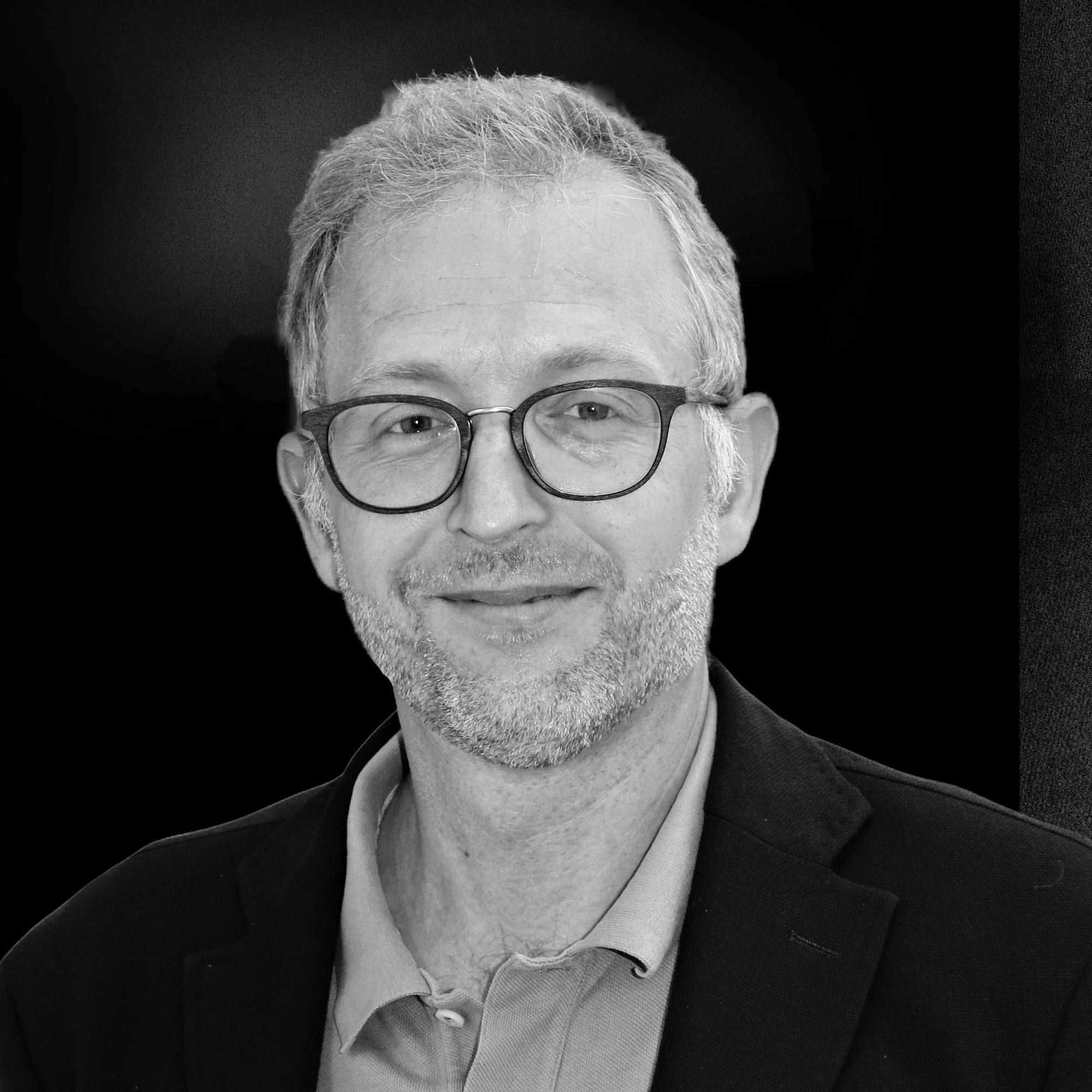
This is precisely where Georg Gasser begins. The philosopher at the University of Augsburg works on freedom, personal identity and the relationship between humans and technology. Since 2017 he has also taught medical ethics at the Medical University of Innsbruck, a field in which the question of technical possibility is always tied to a second one: just because something is possible, is it therefore right?
In dealing with artificial intelligence, this distinction becomes decisive. Which decisions may algorithms prepare, which may they make, and where must a human remain the final authority? Not every company has to follow every technological development just because it is available. And yet it is hard to draw a line when markets, competitors and social habits are already pushing in the other direction.
Gasser is not concerned with scepticism towards technology, but with its proper place.
For human abilities do not arise from results alone, but also from the path that leads to them: through attention, experience, resistance, responsibility and the encounter with others.
For entrepreneurs and decision-makers, this becomes a very concrete task. They must decide not only where to use AI, but also where to deliberately do without it. Which activities belong to human responsibility? Which relationships must not be automated? Which skills do we want to preserve, even if a machine masters them faster?
At B-Safe26, Georg Gasser therefore goes one step further than the usual debate about the opportunities and risks of AI. He asks for a practicable standard for everyday life.
For human dignity does not depend on whether we are more capable than a machine. And human sovereignty may begin precisely where we consciously decide what we do not hand over to it.
We use technically necessary cookies. Optional analytics cookies are only used with your consent. You can change your selection at any time.